
The Homeowner’s Guide to PEST LIBRARY TEMPLATE [NEW] in North Carolina
Are the spiders around my home in North Carolina dangerous or just a nuisance?
Most species you'll find in and around a Central North Carolina home are harmless, but a few require serious attention. This guide covers how to tell them apart, what's drawing them inside, and your real options for control. You'll also know exactly when a professional is the smarter call.
When Are PEST LIBRARY TEMPLATE [NEW] Most Active in NC?
Spider activity in North Carolina follows a seasonal pattern closely tied to the Piedmont's humid subtropical climate and prey availability throughout the year.
What Are PEST LIBRARY TEMPLATE [NEW]?
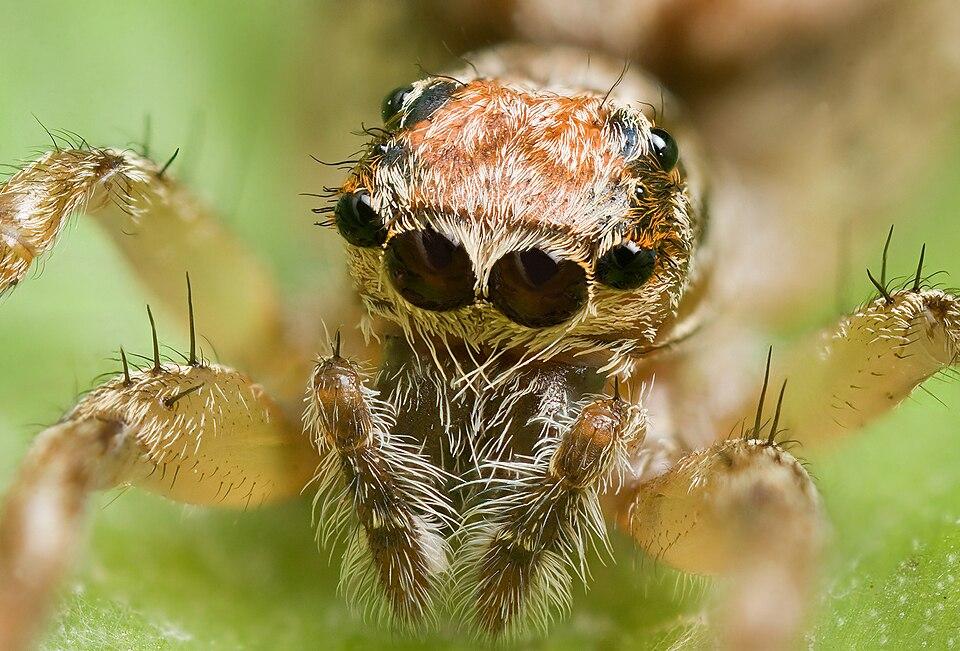
Spiders are arachnids — eight-legged arthropods distinct from insects — found in nearly every home and yard. Most species are brown, gray, or black, ranging from tiny cellar spiders to larger orb-weavers with patterned abdomens. Two legs and no antennae are the quickest visual clues that you're dealing with an arachnid, not an insect.
In the Raleigh-Durham area, Central North Carolina's humid summers and wooded suburban lots create ideal habitat for a wide range of species. Many thrive in the leaf litter, mulch beds, and tree lines common across Wake, Durham, and Chatham counties. As temperatures cool in fall, they move indoors seeking warmth — a pattern local homeowners notice every year.
For suburban homeowners, the real concern is less about property damage and more about safety and population growth. Venomous species like black widows and brown recluses are present in this region and can pose genuine health risks. A small population near entry points, garages, or crawl spaces can grow quickly without intervention, making early identification critical.
DIY Treatment Methods
Homeowners in North Carolina have several DIY options worth trying before calling a professional.
Sticky trap placement near entry points can reduce spider activity by intercepting spiders moving indoors. Place traps along baseboards, in corners, and near doors or windows where spiders travel. Checking traps weekly helps you track which areas have the heaviest activity.
Residual perimeter spray application may help create a chemical barrier that deters spiders from crossing into the home. Apply along the foundation, around window frames, and at threshold gaps. This method works best when applied before North Carolina's humid summer months, when spider activity typically increases as insect prey populations rise.
Web removal and habitat reduction disrupts the spider's feeding setup and discourages re-establishment in treated areas. Use a brush or vacuum to clear webs from eaves, porch ceilings, and garage corners regularly. Removing clutter like stacked firewood or dense ground cover near the foundation eliminates harborage sites spiders depend on.
Sealing gaps and cracks is one of the most durable long-term methods available to homeowners. Caulk around pipes, utility lines, and window frames to close the entry points spiders use most. Focus especially on the ground-level foundation, where spiders commonly enter from wooded or leaf-covered yards common across the Triangle area.
DIY methods work best on early or limited infestations, and larger spider problems typically require professional treatment.
Do PEST LIBRARY TEMPLATE [NEW] Pose Any Health Risks?
Most spiders found in North Carolina homes pose little to no meaningful health risk. The two exceptions worth knowing are the black widow and the brown recluse. A black widow bite can cause muscle pain and cramping. A brown recluse bite may cause localized tissue damage in some cases.
People with known venom allergies face the greatest risk from any spider bite. Young children and the elderly may also experience stronger reactions. If a bite causes significant symptoms, a healthcare provider is the appropriate resource.
Frequently Asked Questions
Are spiders in North Carolina actually dangerous to my family?
Most spiders found in North Carolina homes are harmless. Two species worth knowing are the black widow and the brown recluse. Both exist in the state, but bites requiring medical attention are uncommon. Teach children not to reach into dark corners, woodpiles, or storage boxes without checking first.
Why am I suddenly seeing so many of them inside my house in the fall?
North Carolina's mild autumns keep insects active longer than in cooler states. Spiders follow their food supply indoors as temperatures begin to drop. Late September through November is the most common period for indoor sightings. Sealing gaps around windows, doors, and utility lines before fall arrives makes a real difference.
Does killing spiders make an infestation worse?
This is a common misconception. Killing individual spiders does not cause others to appear. However, it does nothing to address the insect populations that attract them. Reducing the prey insects inside your home is more effective long-term than targeting spiders directly.
How do I tell a brown recluse apart from other brown spiders I find inside?
The violin-shaped marking on the back and six eyes arranged in pairs are the key identifiers on a brown recluse. Many common brown spiders look similar at a glance. If you cannot confirm the species and find multiple individuals, contact a pest control professional for a proper identification.
Is it true that more spiders mean my home has a bigger bug problem?
Yes, and this is one of the most useful things to understand. A large spider population is almost always a sign that other insects are plentiful enough to sustain them. If you are seeing spiders frequently, investigate for moisture issues, gaps in the building envelope, or outdoor lighting that attracts flying insects.
Do the wooded lots and humid summers in the Triangle area make spider problems worse?
They do. The mix of forested edges and suburban development across Wake, Durham, and Chatham counties creates ideal habitat. High humidity from May through September supports the insect populations spiders depend on. Homes backing up to tree lines or with dense foundation plantings tend to see more activity than open-lot properties.
Are spider treatments safe for pets and children?
Safety depends on the product used and how it is applied. Most professional treatments require a drying or curing period before people and pets re-enter treated areas. Always ask your pest control provider for the product label and follow any re-entry guidelines. Never allow children or pets in treated areas until cleared.
Will spiders come back after a treatment?
Re-infestation is possible if the conditions that attracted them are not addressed. Residual treatments wear off over time, and new spiders can migrate in from wooded areas or neighboring properties. Consistent perimeter maintenance, moisture control, and sealing entry points are what keep populations from rebuilding after treatment.
Why Professional Treatment?
Spiders are difficult to fully eliminate with DIY methods because most treatments only contact visible individuals. Egg sacs hidden in wall voids, crawl spaces, or dense vegetation can hold dozens of spiderlings. Those hatchlings repopulate a space weeks after a surface spray has worn off.
Professional treatment accounts for the full activity cycle, not just adult spiders. In Central North Carolina, the warm, humid months from late spring through early fall push spider populations to peak levels, especially around wooded lot edges common in Wake and Chatham counties. Professionals can target harborage zones and entry points that standard retail products rarely reach.
Source Company serves homeowners across North Carolina dealing with spider infestations. They offer inspections to assess where populations are concentrated and how spiders are entering the home. Contacting them is a practical starting point if DIY efforts have not resolved the problem.